

Back in early 2018 the International Fact-Checking Network had yet to develop a working complaint submission interface. We filed our earliest complaints via email. For this example the first email points out to PolitiFact its inconsistency on spending cuts to future budgets. That March 29, 2018 email (documented at this website here) gets forwarded to the IFCN to serve as the foundation for the complaint (PolitiFact did not act to resolve the discrepancy in its standards).
Dear PolitiFact folks,
As most of you are probably aware, PolitiFact rated charges the ACA cut Medicare as “Half True” or worse (mostly worse, were you to tell the truth about your past ratings).
Fact checkers have now been enlightened in the age of Trump, and are evidently able to tell that reductions to the growth of programs like Medicaid and Medicare are rightly termed cuts without the need for scare quotes.
The inconsistency isn’t pretty, but it’s made worse when fact checkers like PolitiFact no longer see the importance of distinguishing between cuts to a projected future baseline and cuts compared to present spending.
That’s where the Trump-O-Meter comes in.
Louis Jacobson:
Over 10 years, Trump’s 2019 budget proposal says it would cut Medicare spending by a cumulative $236 billion, including by reductions in “waste” and “fraud” and by changing the way drugs are priced and paid for in the program.
Is that a cut relative to current levels or a cut to future growth? Does it matter now like it did during the previous administration?
Jacobson again:
The budget proposal does call for $236 billion in Medicare reductions, which would contradict Trump’s campaign promise.
Are those reductions to current levels or reductions to a future spending baseline? Is it now okay to leave it unclear, like Republican critics of the ACA once did (”False” “Mostly False” “Half True”)?
Not to worry! The earlier Trump-O-Meter entry by Allison Colburn clarifies things.
Colburn:
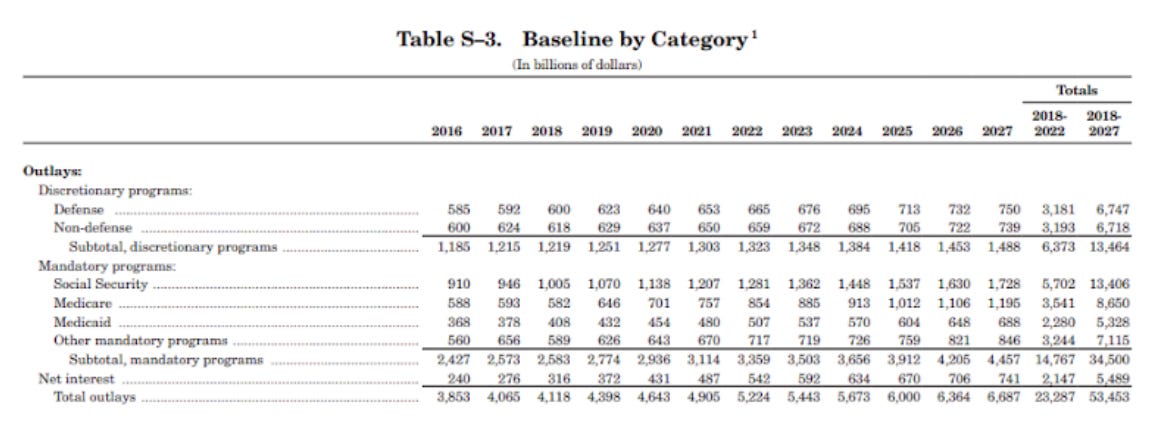
The 2018 White House budget proposal released in May left Medicare benefits largely untouched compared with Medicaid, which would see a more than $600 billion decrease over 10 years compared to current spending levels. Still, Medicare spending would decrease by more than $50 billion in the next decade compared with current levels.
Ah. So the proposed budget cuts spending relative to current levels and not relative to a future spending baseline?
Are you completely sure about that?
Dear International Fact-Checking Network (Alexios, Daniel, Dulce)
With PolitiFact’s annual renewal date approaching, I hope that you will see that this reaches the indepedent [sic] assessor.
These emails spell out for the PolitiFact team the way it misled readers with a “Trump-O-Meter” item that suggests a proposed Trump administration budget would cut Medicare spending compared to a current spending level baseline instead of a future projection spending baseline.
This email received no reply from any of the PolitiFact staff to which it was sent. PolitiFact apparently effected no change at all to the misleading (false) article.
I pointed PolitiFact toward one of its past ratings of Medicare cuts, about which PolitiFact Virginia said the following:
The Affordable Care Act contains about $564 billion in cost-savings measures for Medicare over 10 years. But the definition of a cut means there would be a reduction in spending. That’s not the case here. Medicare spending will continue to expand. The law will slow the projected rate of growth.
A Trump-O-Meter rating from 2017 contains the following (bold emphasis added):
The 2018 White House budget proposal released in May left Medicare benefits largely untouched compared with Medicaid, which would see a more than $600 billion decrease over 10 years compared to current spending levels. Still, Medicare spending would decrease by more than $50 billion in the next decade compared with current levels.
Should a fact checker falsely pretend that its reasoning is consistent?
The IFCN does need some kind of policy making the complaint process at least a little transparent.
I suppose we’ll see how transparent it is when the second assessment of PolitiFact appears.
